
What the Government Shutdown Means for You
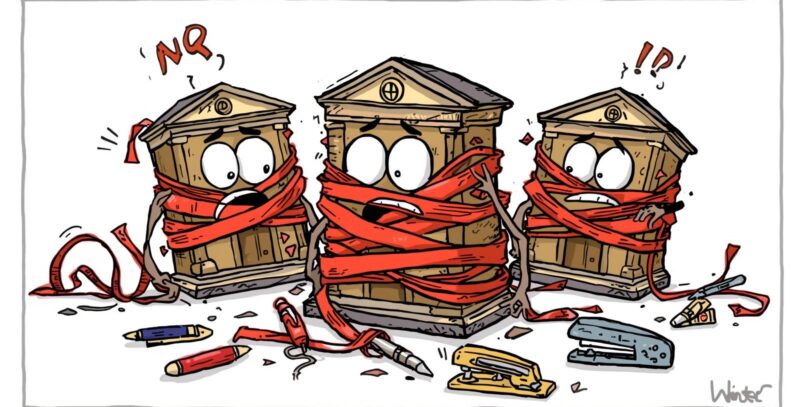
As of October 1st, the U.S. government entered a shutdown after lawmakers failed to agree on a temporary funding plan. This is the first shutdown since 2018. While federal workers are affected—some furloughed and others working without pay—most benefits like Social Security, Medicare, and Medicaid will continue as usual.
What History Tells Us
Over the past 50 years, there have been 21 government shutdowns. On average, they lasted just over a week. Most were short-lived, and even the longer ones—such as the 35-day shutdown in 2018—did not derail the economy or markets for long.
What’s at Stake
The shutdown is about disagreements over discretionary spending—things like defense and government agencies. This makes up about a quarter of the federal budget. The rest, called mandatory spending (Social Security, Medicare, Medicaid, student loans), continues as usual.
How Markets Usually React
Markets have often reacted more to broader economic conditions—like inflation or Federal Reserve policy—than to the shutdown itself. Looking back, the S&P 500 has shown mixed results during shutdowns, but overall, they haven’t left lasting effects.
What This Means for Investors
Despite the shutdown, recent data points to a healthy market backdrop:
- U.S. stocks just finished their fifth straight positive month, with some indices hitting record highs.
- The economy has been stronger than expected, with growth and corporate earnings beating forecasts.
- The Federal Reserve has started lowering interest rates, which often supports both stocks and bonds.
One short-term wrinkle: Some government reports (like the October jobs report) may be delayed. This can add uncertainty, but it doesn’t change the fundamentals.
Looking Ahead
History shows that shutdowns rarely derail markets, and today’s fundamentals remain supportive for long-term investors. While headlines may cause day-to-day swings, the best approach is to stay focused on your long-term plan rather than making sudden changes.
Janel’s Takeaway:
This is a moment to stay calm and focused. The government shutdown is disruptive, but it’s not a reason to panic. Most Americans won’t see a direct impact on their daily lives or essential benefits. For investors, the key is to remember that markets have weathered these events before and come out stronger. Keep your eye on your long-term goals and let us help you navigate the noise with a steady hand.